Thirst Signals - Summer Sun and ND Hydration
Note to Reader: This blog is a follow-up to our popular Staying Cool: A Sensory-Aware Guide to Summer for Neurodivergent People, which focuses on hydration as a core part of summer self-care for neurodivergent people. It explores how interoception, sensory preferences, and executive processing can all influence how we experience thirst—and why hydration isn't always as simple as "just drink water." This blog invites you to think about hydration as something that can support your regulation, not adding demand.
Topic: Neurodivergent hydration, Summer sensory support, Interoception and thirst, Demand avoidance and drinking, Sensory-supportive hydration strategies
If you read our last blog, Staying Cool—our guide to navigating summer through a sensory-aware lens, you’ll know how this season can place extra demands on neurodivergent bodies and minds. From sensory overwhelm to disrupted routines, the heat can take more out of us than it gives.
In this follow-up, we’re focusing on one simple but essential part of feeling supported in hot weather: hydration.
It’s something our bodies depend on, not just to manage heat, but to help us feel clearer, calmer, and steadier as the day unfolds. And yet, staying hydrated doesn’t always come easily.
The Heat is On!
Across the UK, it’s been relentlessly warm. Days stretch out hazy and long, nights bring little relief, and even sitting still can feel like too much. If you’re foggy-headed, overstimulated, or running on low energy, you’re not alone.
Hot weather asks more of us—more energy to regulate, more effort to function, and more hydration to support our bodies and minds.
But knowing hydration helps doesn’t automatically make it easy to do. Especially when typical patterns don’t always shape the way we interact with our bodies and environments.
More Than Just a Drink:
Hydration supports many aspects of our functioning, from temperature regulation, energy, focus, to emotional steadiness. It’s one of the foundations our bodies rely on.
But the act of drinking itself can feel surprisingly complex.
You might feel thirsty but not know how to respond. You might want a drink, but find the bottle awkward or unappealing. The flavour might not taste right. Or perhaps it just feels like another task in a day that’s already full.
Hydration isn’t only physical—it’s sensory, emotional, and cognitive too.
And when we understand that, it becomes easier to see why hydration needs to be supported in ways that make sense to each of us.
Interoception: Listening Inward:
Interoception is the sense that helps us notice what’s happening inside, like thirst, hunger, tiredness, or the need to move or rest. But those signals don’t always come through in consistent or recognisable ways.
You might feel suddenly foggy or overstimulated, then realise you haven’t had anything to drink. Or you might have a vague sense that something’s “off” without knowing it’s thirst. Or you may notice the cue, but not feel ready or able to act on it.
There are so many valid ways to experience these signals. Your needs are real—however they show up.
Often, hydration becomes more accessible when we build moments into the day where having a drink feels possible, rather than waiting for a specific feeling of thirst to appear.
When Hydration Feels Like Pressure:
Even encouragement can sometimes feel like too much. For those who experience demand avoidance, being told to “drink more water” may bring up a sense of resistance. This isn’t about a lack of care—it’s a response to something that feels like added pressure.
That feeling often comes from your nervous system working hard to protect you. When hydration becomes another expectation, it can feel heavy and difficult to address.
There is Another Way:
Hydration can become something that supports you, rather than asks something from you. It might look like keeping a drink nearby, ready for whenever you feel able. It could be a juicy snack that feels easy to enjoy. Or a moment to take a sip when things feel calmer.
When hydration is shaped around comfort and choice, it often feels easier to weave into the day.
Making Hydration Feel Easier:
There’s no right or wrong way to do this. What helps will be personal, practical, and shaped by what fits with your preferences and your pace of life.
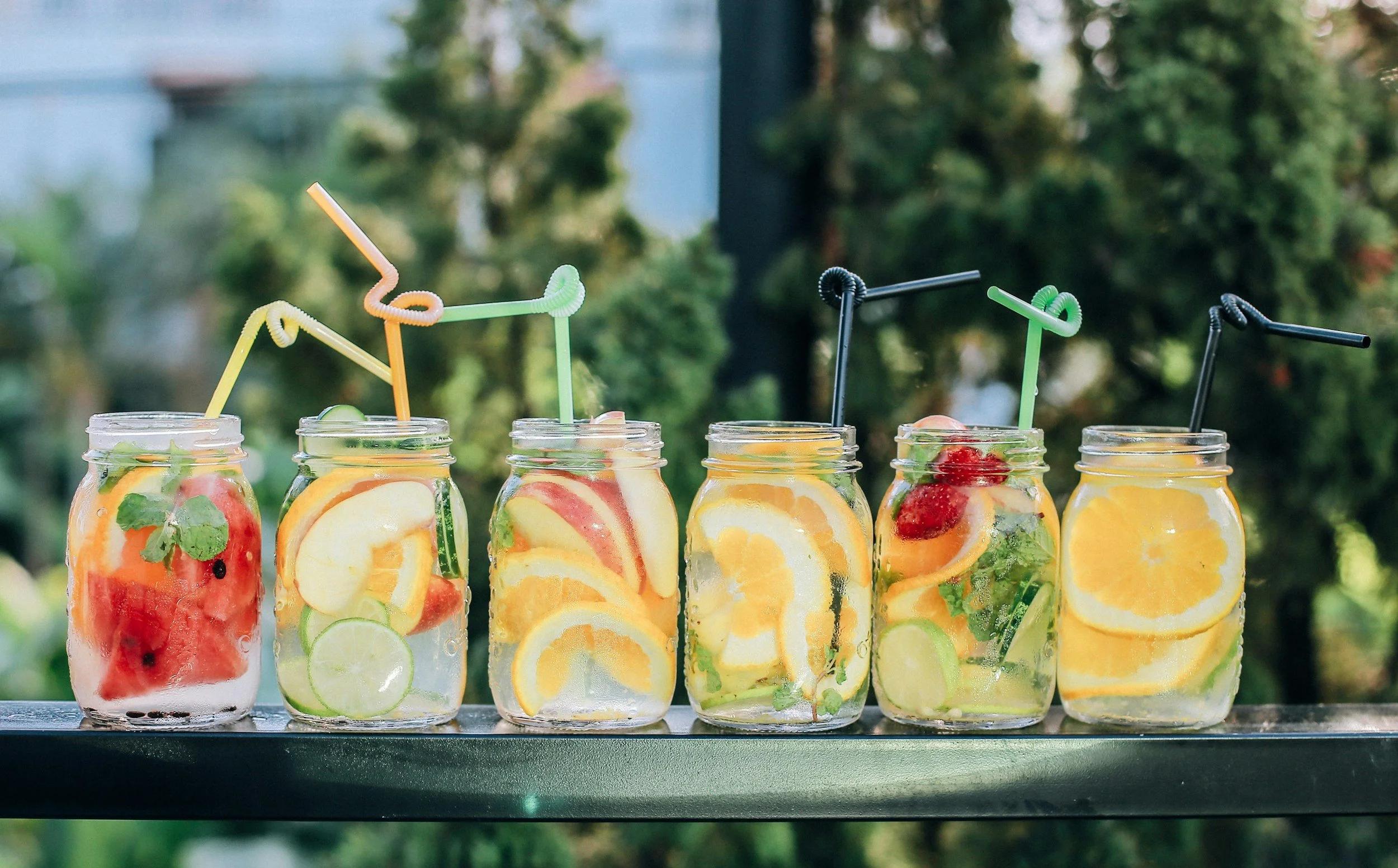
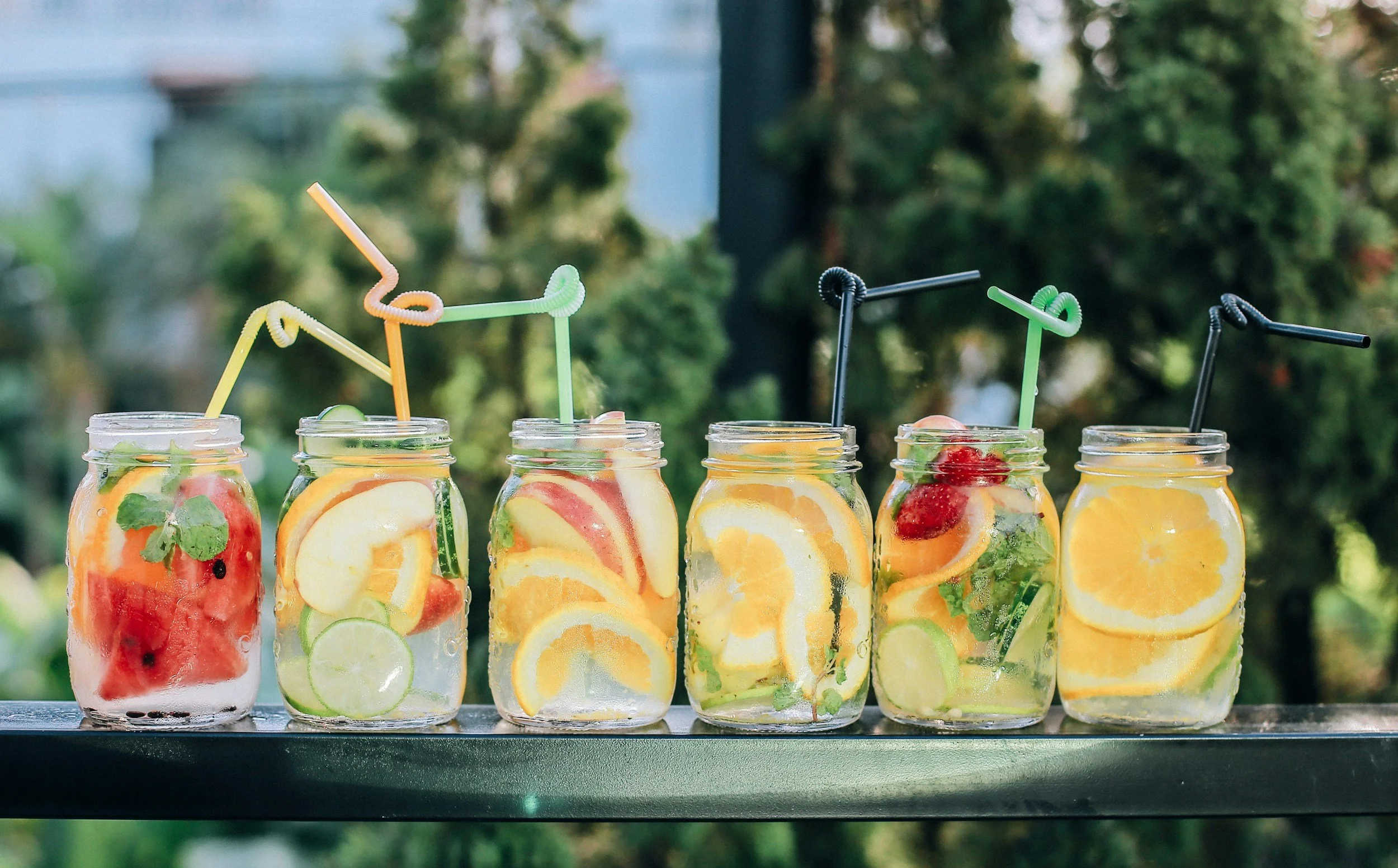
For some people, it might be a soft-touch bottle or a straw that makes drinking feel more sensory pleasing. Others might prefer flavoured water, cold tea, fizzy drinks, or squash to change things up. Some people find ice cubes with fruit or jelly cubes more appealing than plain water.
You might find it easier to drink at specific points in your day—starting or finishing a task, heading outside, or settling down to rest. You might prefer to hydrate through food instead of drinks—watermelon, cucumber, yoghurt, soup, or frozen grapes.
You could try letting hydration join you in the flow of your day, rather than trying to carve out time for it.
Your Hydration Style: What Helps?
Everyone’s preferences are different, and those preferences matter.
Some people like a big insulated flask; they only have to fill it once. Others find comfort in small cups scattered around familiar spaces. Some prefer their drinks icy cold, others warm and calming. Some need visual appeal, like a funky coloured bottle. Some care more about texture or ease of use.
There are ways to make hydration feel more comfortable, more natural, and right for you.
It might help to ask:
What do I enjoy drinking from?
Is there a lid or straw that makes it easier or more enjoyable?
Where am I most likely to hydrate—can something live there?
What feels comforting or satisfying when I drink?
These small details can be the difference between ignoring a need and being gently supported in meeting it.
Here are a few possibilities:
Bottles with soft finishes or textures that feel good to hold
Flip lids, silicone straws, or twist caps that are easy to manage
Herbal teas, squash, or fruit-infused water for variety
Jelly, smoothies, frozen fruit, yoghurt drinks, or cold soup
Familiar cups in key places—like beside the bed, near your workspace, or next to your favourite chair
Gentle drinking rituals—like sipping when sitting down or after finishing something
There’s no one right way to do this. You don’t need to follow anyone else’s rhythm or push past what feels manageable. Your body is worthy of care, and the ways that care is offered should honour who you are.
What helps you hydrate?
Do you have a small comfort that works? A favourite drink, a sensory bottle, a snack that helps you feel steady?
Check out how I work with neurodivergent people offering help and support across work, life and self-care at www.NDPerspective.co.uk